Photo by Caitlin Blunnie
“If you have come here to help me, you are wasting your time, but if you have come because your liberation is bound up with mine, then let us work together.”
— Lilla Watson
Measurement is often treated as a way to understand what’s happening. But what we choose to measure also reflects what we value—and can shape where attention, resources, and action go.
WIN Measures asks a different question: What happens when communities have a voice in defining what matters and how thriving is measured?
This month, we’re exploring how measurement, belonging, food access, place, and collective action connect to the conditions communities need to thrive.
In this issue:
- WIN Measures — Putting communities at the center of measurement
- Food & Public Health — How food access shapes well-being
- Health & Place — Investing in community priorities
- Belonging — A story of relationship, belonging, and the illusion of a fixed self
- Resources & Opportunities — Tools and funding for changemakers
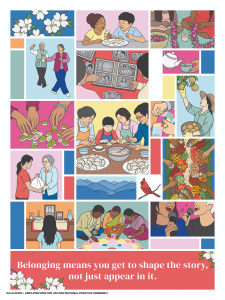
Photo by Julia Chon
What if we measured what matters to communities, not just what’s easiest to count?
For too long, the things we measure have shaped the things we prioritize. But what happens when the measures themselves don’t reflect what people and communities say they need to thrive?
That question is part of the story behind WIN Measures.
The Well-Being in the Nation Measures were developed with input from more than 100 organizations and communities working together to identify and test measures that mattered to them. At its heart is a simple belief: communities should get to define well-being and equity for themselves.
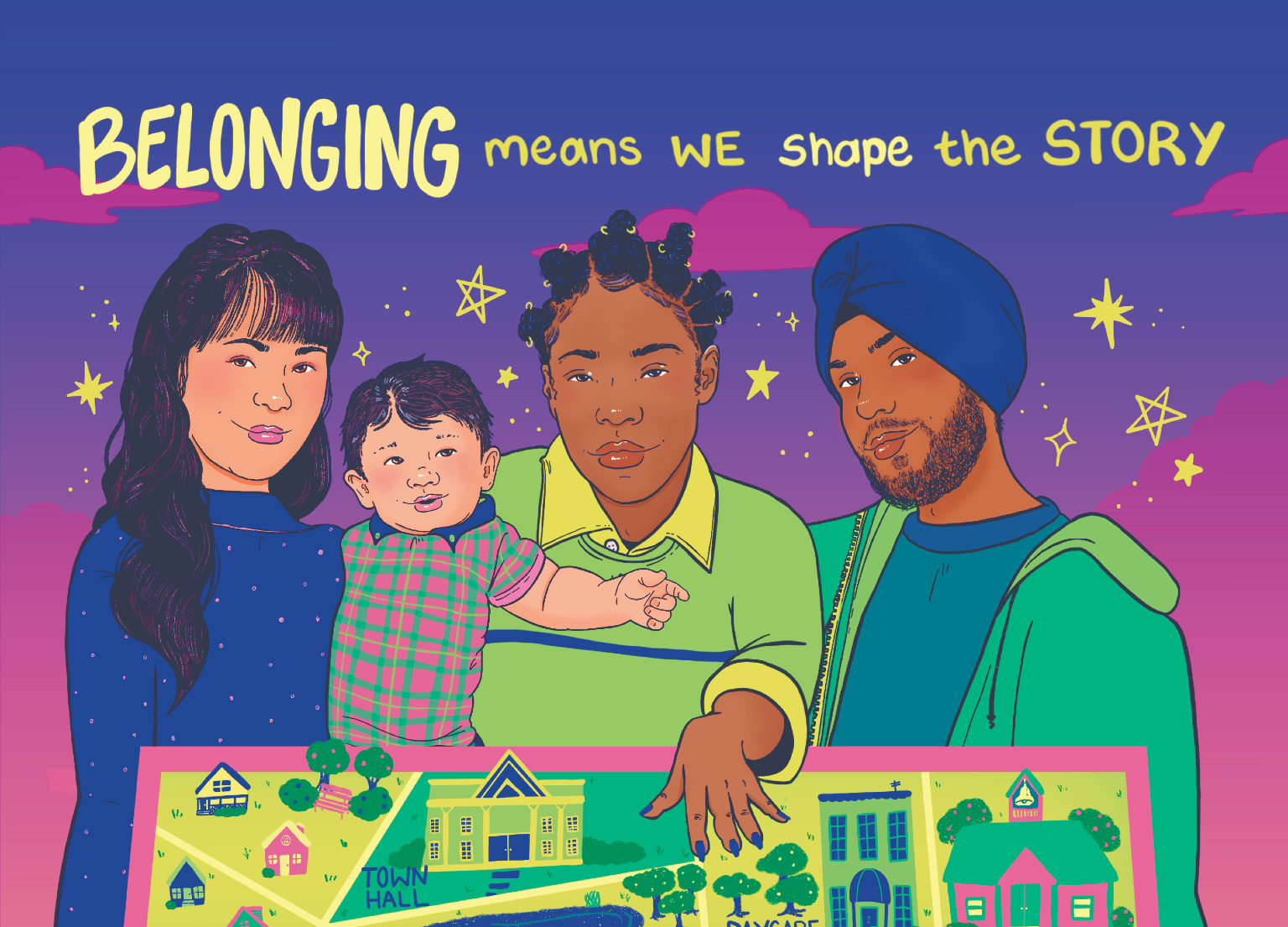
Because thriving is about more than traditional indicators. It includes the conditions that allow people to feel connected, valued, safe, and able to participate in shaping their communities. It includes belonging. It includes equity. And it includes the ability of people and places to create futures where everyone can thrive.
That makes data more than a way to describe what is happening. Community-defined data can be a tool for power. It can help communities see what matters, identify inequities, understand where change is needed, and track whether that change is actually improving people’s lives.
For WE, this is also part of what it means to be a Better Ancestor. We aren’t only asking, How are we doing today? We are asking, What conditions are we creating for the people and places that come after us?
But if communities are going to define what matters, their voices must be listened to in deciding what gets measured.
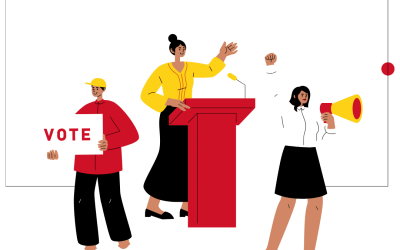
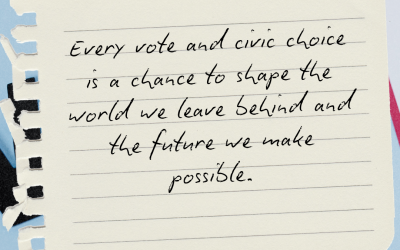
That is why the WIN Measures update includes a community listening and voting process focused on identifying measures of racial justice and intergenerational well-being. Hundreds of community members, researchers, and federal agencies have participated in shaping what comes next.
Read the full newsletter here.